Nobody moves to Southern Georgian Bay to sit still. The calendar here reads like a training plan: fifty-plus ski days between December and March, spring gravel rides through the Beaver Valley, summer paddling and open-water swims off the shore, golf and tennis through the long warm months, trail running and mountain biking at Kolapore and Three Stage until the snow flies again. It's a spectacular way to live - and it asks a lot of a body, year after year.
The athletes who last in this lifestyle share one habit: they take recovery as seriously as the activity itself. And increasingly, they're building the infrastructure for it at home.
Training never stops here - so recovery can't either
In most places, sport is seasonal and rest happens by default. Here, the seasons hand off to each other without a gap. Ski legs become bike legs in April; bike fitness becomes paddling and running fitness in June; and by the time the trails soften in November, the ski club's opening day is already circled. There is no off-season, which means the small deficits - the tight hips, the cranky knee, the accumulated fatigue - never get a chance to resolve on their own.
This is where a structured recovery practice stops being a luxury. Heat to loosen tissue and drive circulation. Cold to knock down inflammation after big days. Mobility and yoga to maintain the range of motion that keeps a fifty-five-year-old skiing like a forty-year-old. Sleep, protected and prioritized. None of it is complicated. All of it depends on consistency.
The Wednesday problem
Every committed athlete in this area knows the Wednesday problem. It's mid-week, you skied hard on the weekend, you rode Tuesday, your body is asking for maintenance - and the drive to a facility in town, the packed bag, the shared change room, the drive home, adds up to ninety minutes you don't have. So you skip it. Multiply that by a season and the skipped recovery becomes the injury in February.
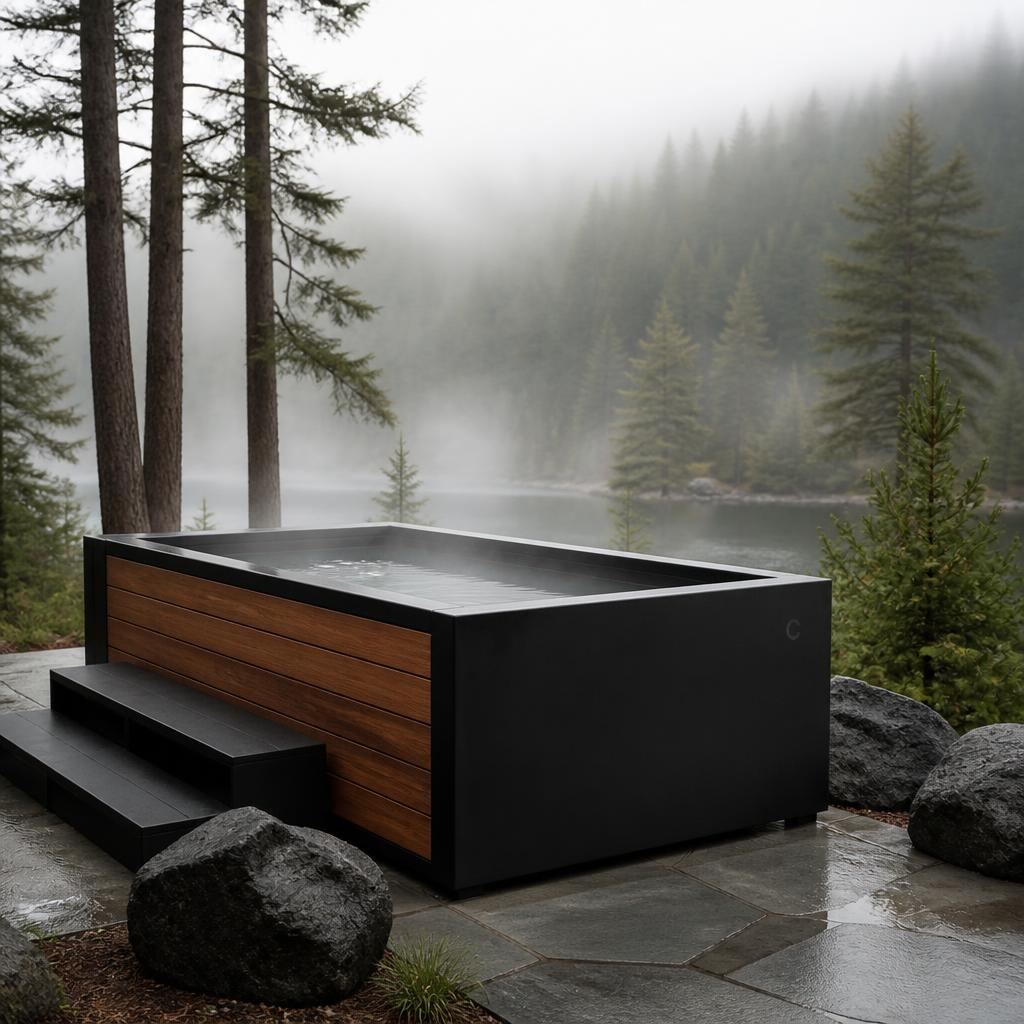
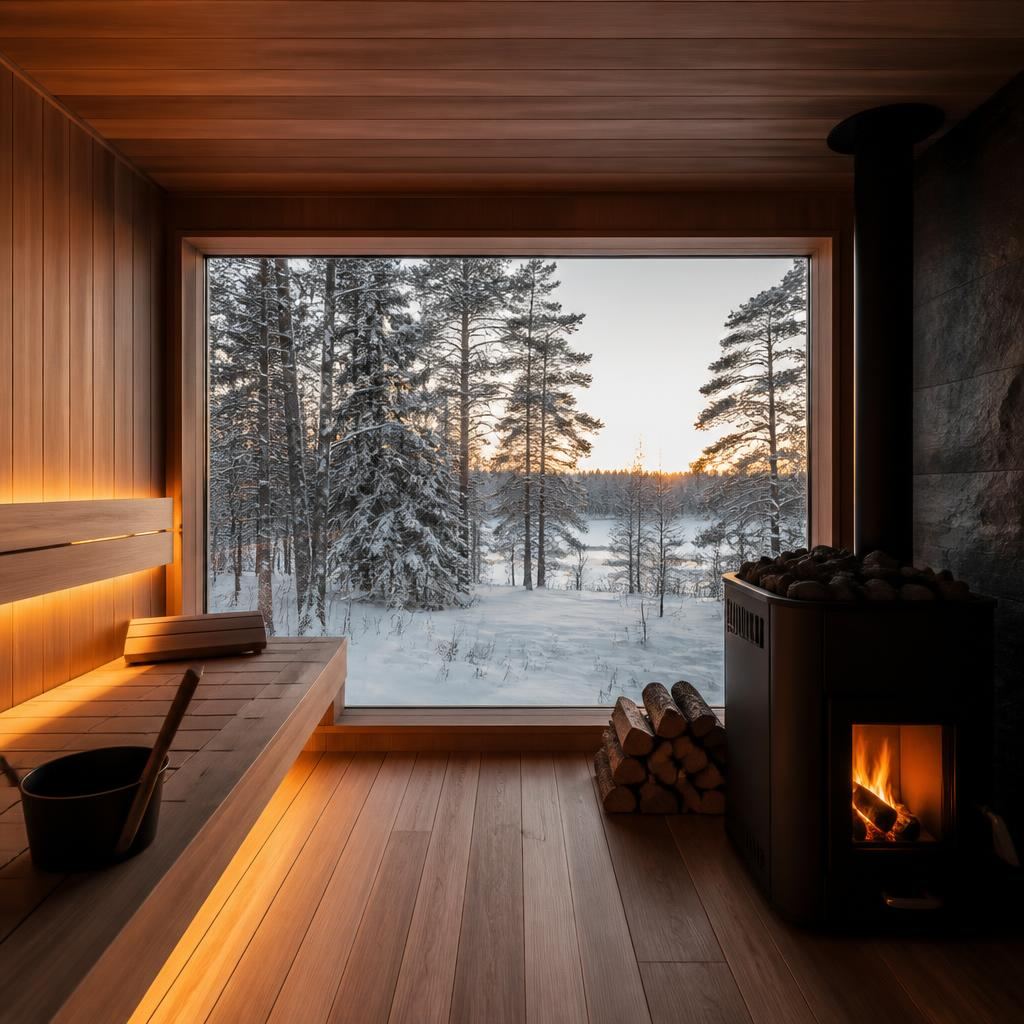
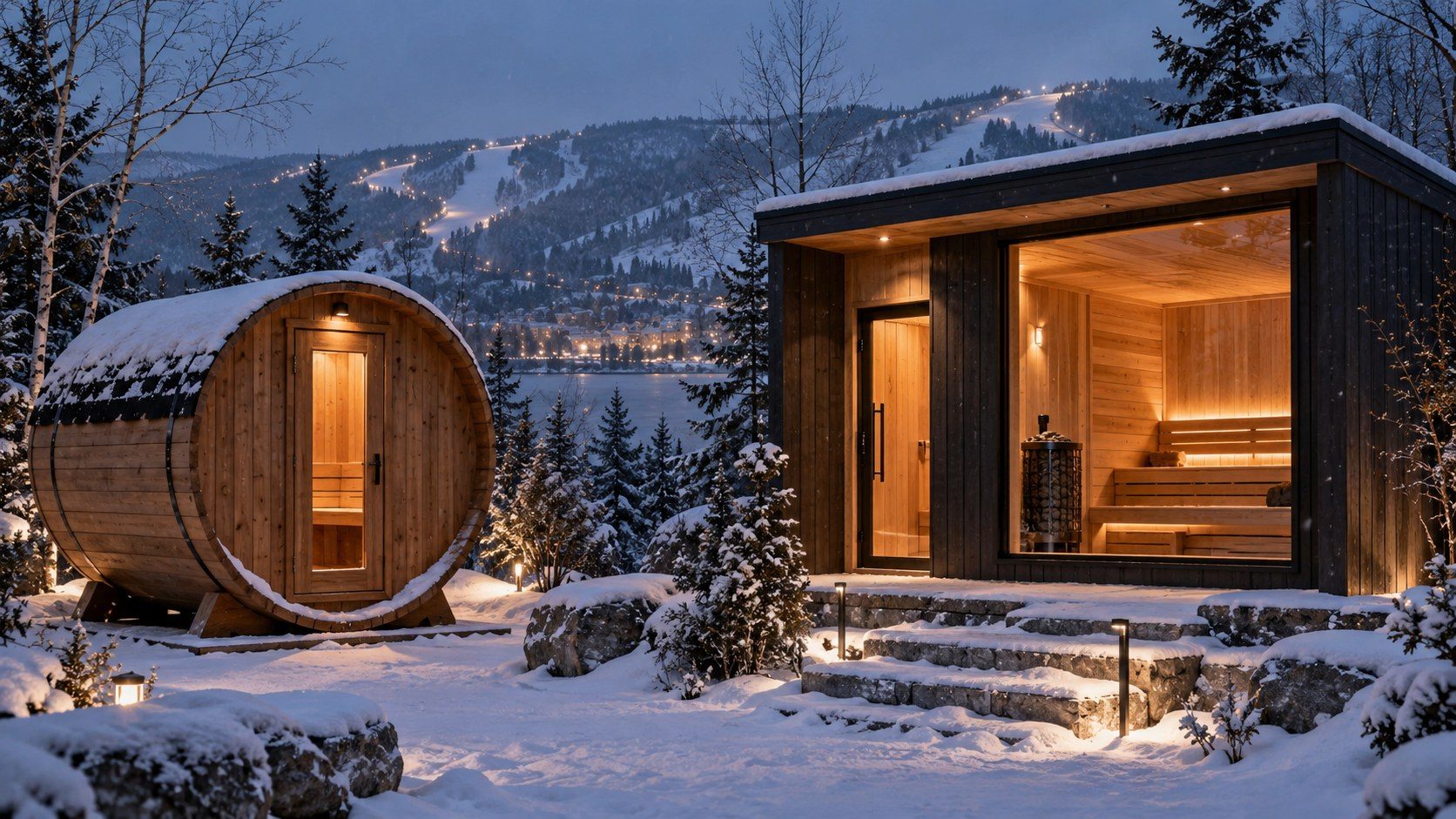
A home pavilion solves the Wednesday problem by deleting the logistics. The sauna heats while you eat dinner. The plunge is always ready. The studio is ten steps away for twenty minutes of hip work while you're already warm. Recovery becomes something you do the way you brush your teeth - daily, briefly, without negotiation.
A rhythm that fits this life
Picture the week of a Beaver Valley skier in January. Saturday and Sunday are big days at the club; Sunday evening is sauna and plunge, cycled twice, followed by an early night. Monday is yoga in the studio - forty minutes of hips, hamstrings, and thoracic spine, the areas ski boots and cold weather punish most. Wednesday night is the maintenance session: heat, mobility, cold, done in under an hour without leaving the property. By Friday you're not managing fatigue; you're ahead of it, and the weekend's snow gets your best legs instead of your leftovers.
Swap the sport and the rhythm holds all year. The July version ends with a plunge and a long evening on the lounge terrace; the October version pairs the sauna with the best view of fall colour on your own hillside.
The longest season is the one that matters
The real goal isn't recovering from this weekend. It's still carving turns at seventy-five, still riding the valley loop at eighty - extending the athletic lifespan that drew you to this region in the first place. The research on heat, cold, mobility, and sleep all points the same direction: the people who benefit are the people who practise consistently, for years. Consistency is a design problem. Build recovery into your home, and the habit builds itself.
In future posts we'll break down each element - the sauna, the plunge, the studio - and how to design them for the way you actually train.