Ask a Finn why they sauna and you'll get a shrug: because it's Wednesday. But over the past decade, researchers - many of them Finnish - have put serious scientific weight behind what northern cultures have known for centuries. For the health-conscious homeowner in the Georgian Bay area, the case for regular heat exposure has moved well past "it feels nice."
The cardiovascular story
The most compelling research on sauna use comes from long-term Finnish population studies that followed thousands of middle-aged adults over decades. The pattern that emerged was striking: people who used a sauna several times per week showed substantially lower rates of cardiovascular disease and cardiac events than those who used it once a week or less, with the benefit appearing to scale with frequency and session length.
The proposed mechanism makes intuitive sense to anyone who's sat through a proper session. In the heat, your heart rate climbs into a zone comparable to moderate exercise, blood vessels dilate, and circulation increases dramatically. Researchers sometimes describe sauna bathing as a form of passive cardiovascular conditioning - not a replacement for your morning ride up Scenic Caves Road, but a meaningful complement to it.
Recovery, mobility, and the aging athlete
For the sporty crowd - and in this area, that's most of us - heat has more immediate appeal. Warm tissue is more pliable tissue. A sauna session after a ski day or a long ride increases blood flow to worked muscles, and many athletes find it noticeably reduces next-day stiffness. Heat exposure has also been studied for its role in triggering heat shock proteins, cellular repair mechanisms that respond to thermal stress and are an active area of longevity research.
None of this requires you to become a biohacker. It requires you to sit in a hot room, regularly, which people have found pleasant for about two thousand years.
Sleep, stress, and the part nobody measures
Then there's the effect that doesn't show up neatly in studies but shows up reliably in life: what twenty minutes of enforced stillness in the heat does to a busy mind. No phone survives a sauna. The evening session has a way of drawing a hard line under the day, and the post-sauna body-temperature drop is one of the more reliable natural sleep aids available. Regular sauna users tend to guard their evening session the way other people guard their morning coffee - as a ritual, not a treatment.
Why frequency is the whole game
Here's the catch in all of the research: the benefits belong to the people who sauna often. Four to seven sessions a week is where the Finnish data gets interesting - and four to seven sessions a week is simply not realistic when the sauna is at a gym in town, shared with strangers, on someone else's schedule.
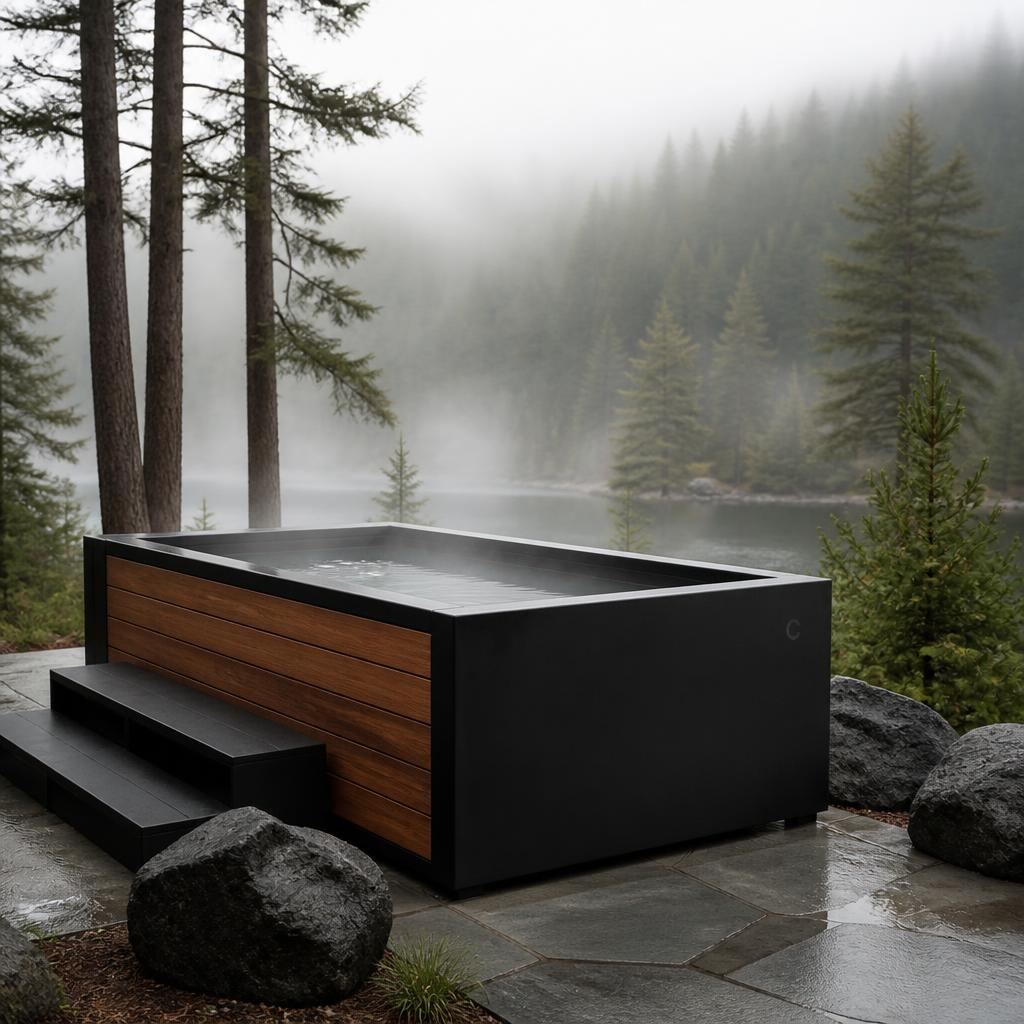
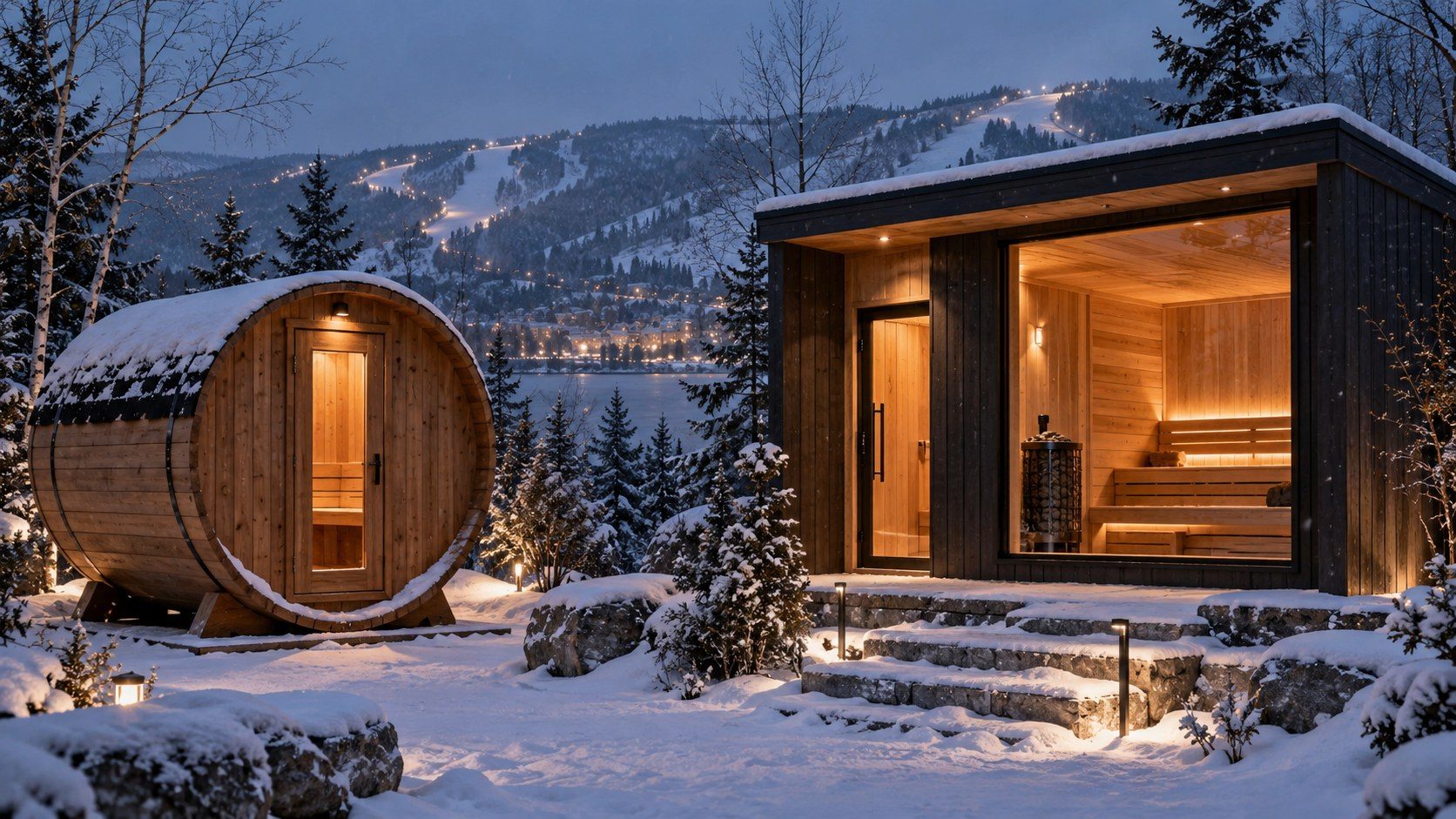
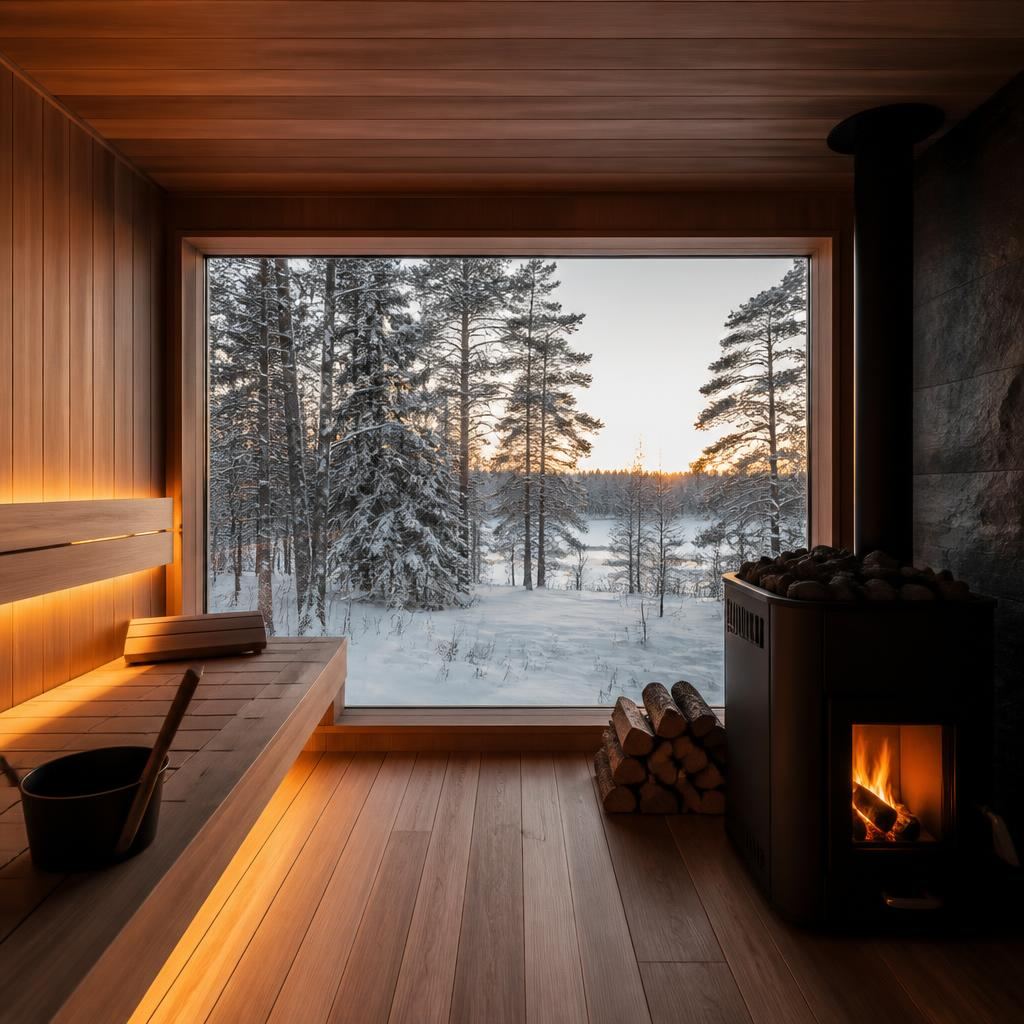
This is the practical argument for building heat into your home. A sauna that's thirty steps from your kitchen, ready in the time it takes to finish dinner, gets used on the days you're tired and unmotivated - which is to say, the days that count. A sauna within a dedicated pavilion, paired with a cold plunge and a place to sit afterward, becomes something more: the anchor of a weekly rhythm that the research suggests may be one of the better investments you can make in your own longevity.
The Finns never needed the studies. But it's nice to know the studies agree.
Next up on the blog: the cold side of the equation - why the plunge earns its reputation.