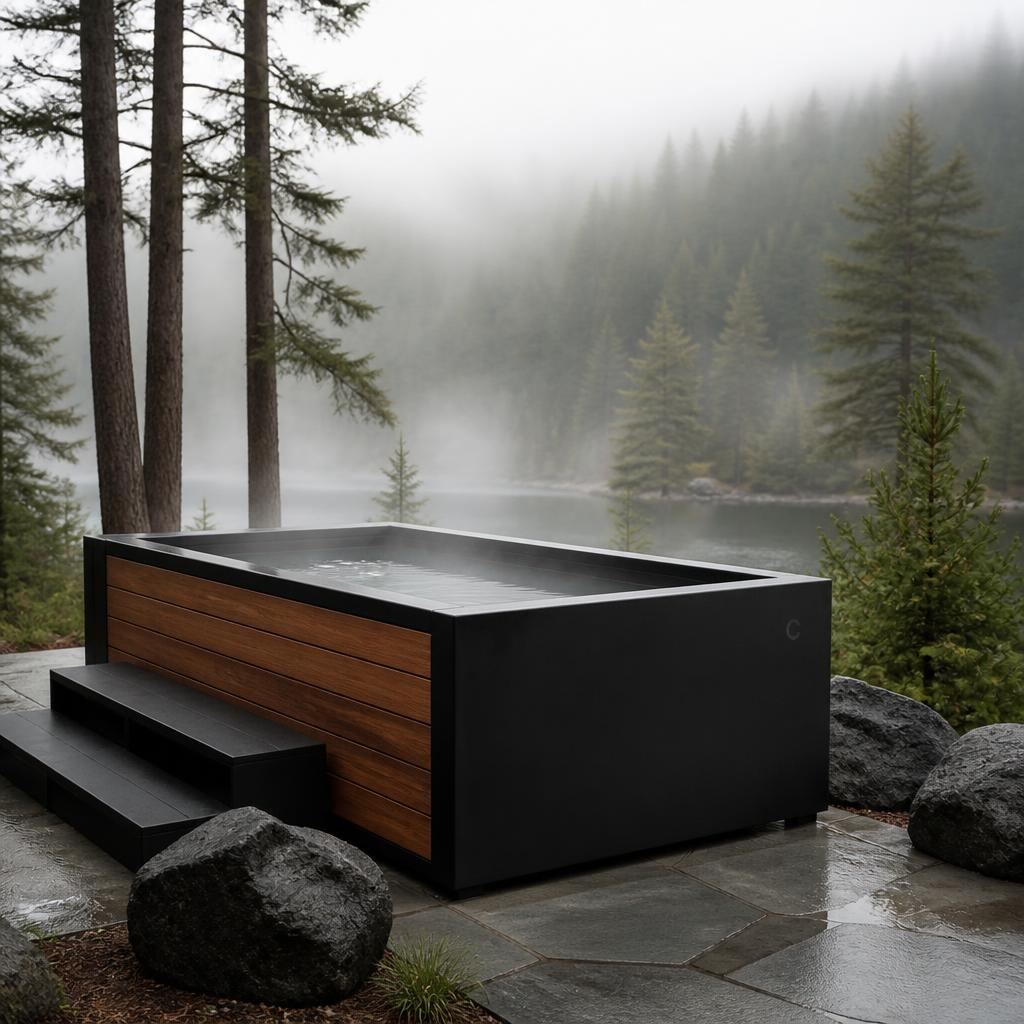
Anyone who has swum in Georgian Bay in June already understands cold water. The gasp, the sharpened senses, the strange euphoria walking back up the beach - that feeling is precisely what the cold plunge movement has bottled, studied, and turned into one of the fastest-growing wellness practices in North America. The difference is that a purpose-built plunge delivers it on demand, twelve months a year, at a temperature you control.
What the cold actually does
Deliberate cold exposure triggers a cascade of responses that researchers have been mapping with increasing interest. The most immediate is a sharp release of norepinephrine and dopamine - the neurochemicals behind alertness, focus, and mood. Studies of cold-water immersion have measured significant, sustained elevations in these compounds after even short plunges, which is why regular plungers describe the after-effect less as "refreshed" and more as "recalibrated." Many people report that the mood lift lasts for hours.
For athletes, the traditional case is recovery. Cold immersion constricts blood vessels and is widely used to manage inflammation and soreness after hard efforts - a practice that has moved from professional locker rooms into home backyards. One nuance worth knowing: some research suggests that icing immediately after strength training may blunt muscle-building adaptations, so serious lifters often separate their plunge from their gym session. After a ski day, a long ride, or a trail run, though, the cold remains one of the most reliable tools for feeling human again by morning.
There's also the resilience argument, which is harder to measure and easy to feel. Voluntarily entering three minutes of discomfort, breathing through the panic signal, and coming out calm is a rehearsal for every other stressful thing in your week. People who plunge regularly tend to talk about this benefit more than any physical one.
The contrast effect
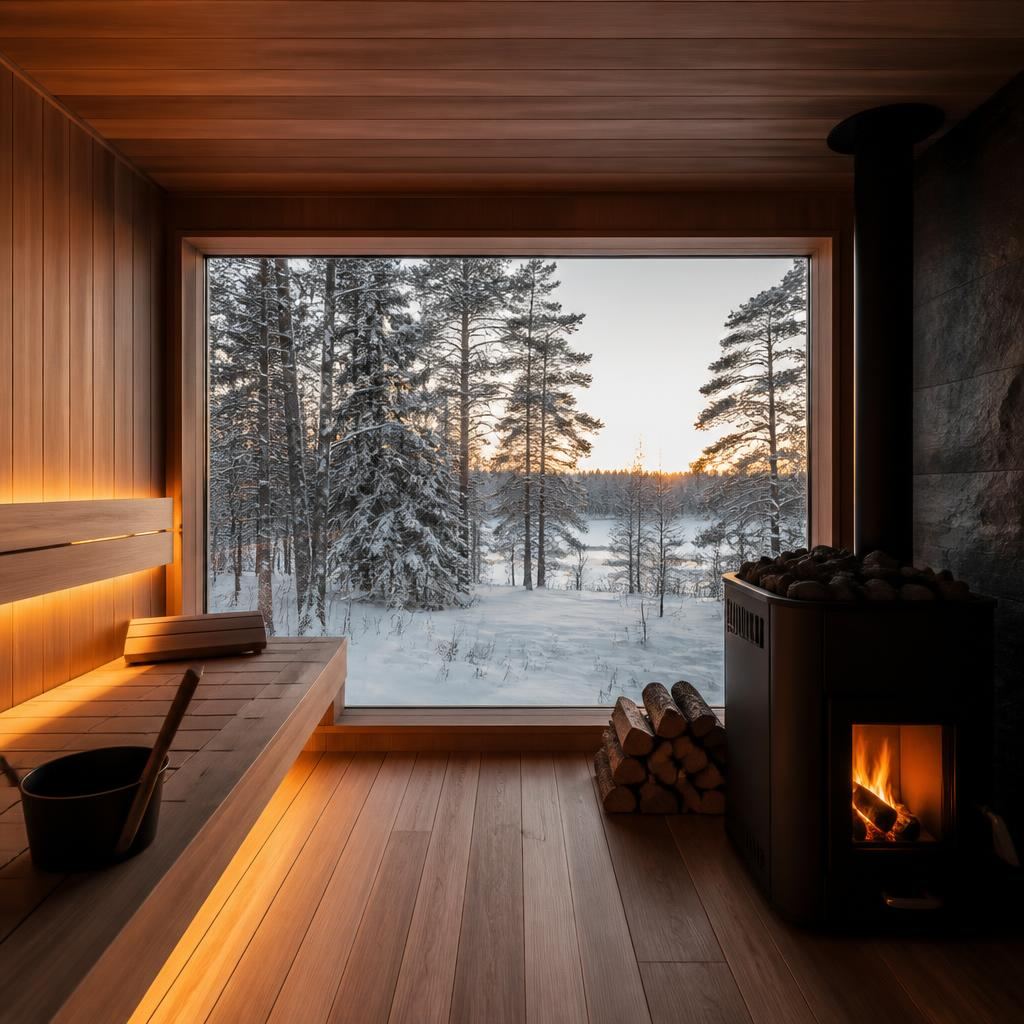
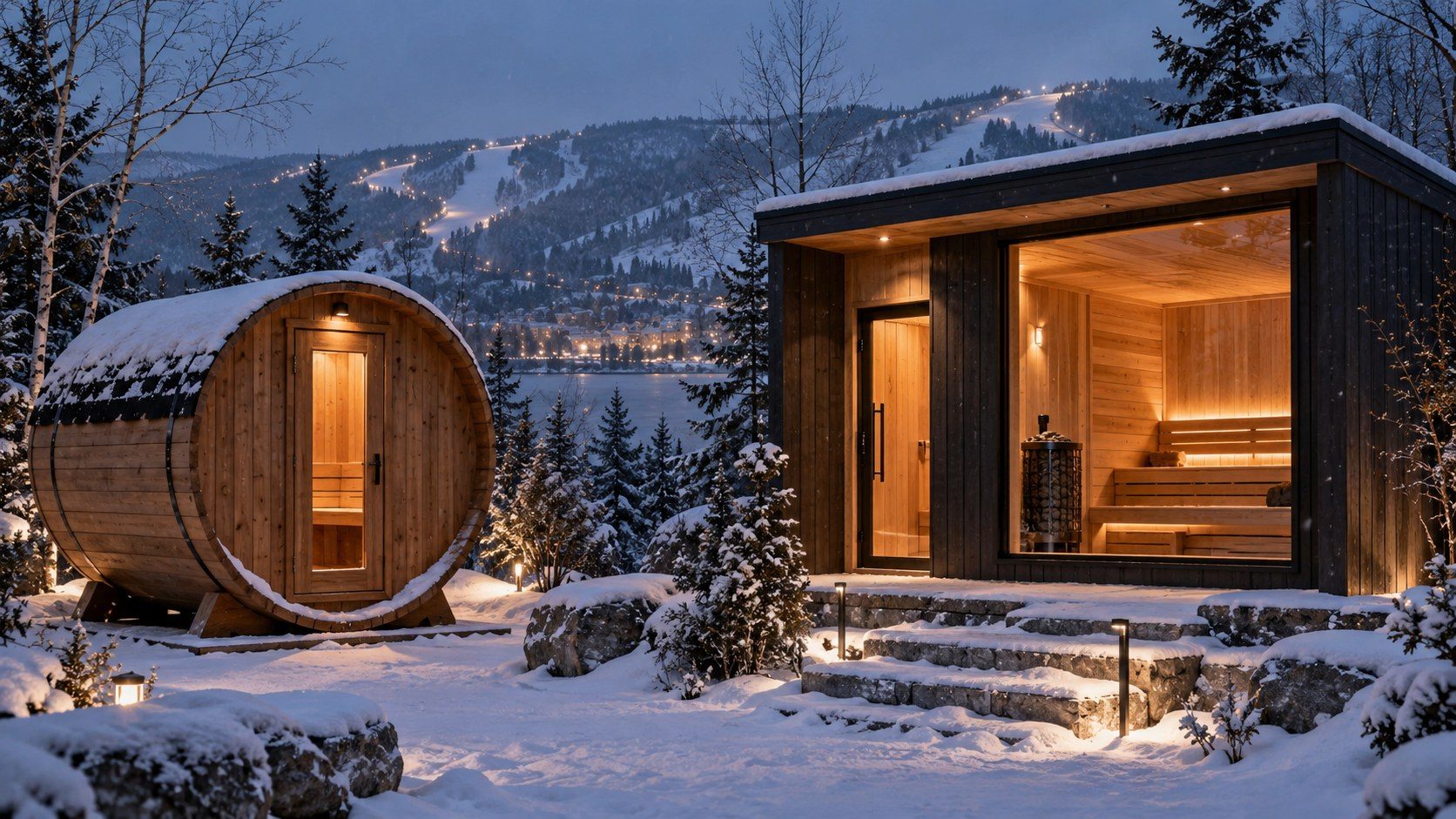
The plunge rarely lives alone, and it shouldn't. Paired with a sauna, it becomes half of contrast therapy - the heat-cold-heat cycle that Nordic cultures have practised forever and that many consider the single most pleasurable wellness ritual there is. The heat dilates, the cold constricts, and the alternation acts like a pump for circulation. It's also, frankly, exhilarating in a way that neither element achieves on its own. Stepping from a cedar sauna into a cold basin with snow falling on the Beaver Valley hardwoods around you is an experience no commercial facility can replicate.
Why this region was built for it
Cold exposure is easiest to sustain when it fits your landscape, and ours could hardly be better suited. Winter gives you contrast therapy in its purest form. Ski season gives you a reason: legs that have done thirty runs at the club want the cold, badly. Summer flips the script - on a humid July evening the plunge becomes the most coveted spot on the property, better than any pool for a quick reset before dinner on the deck.
Making it effortless
Here's the honest truth about cold plunging: the barrier is never physical, it's logistical. Nobody drives twenty minutes to be uncomfortable. The practice sticks when the plunge is steps away, always at temperature, and embedded in a space you love being in - beside the sauna, near the lounge, part of an evening rather than an errand. That's the thinking behind the health pavilion: remove every excuse between you and the habits that pay off for decades.
The bay taught this region to love cold water. A plunge just means you never have to wait for June.
A note of common sense: cold immersion is a real physiological stressor. If you have a heart condition or other health concerns, talk to your doctor before making it a practice.