Wellness as an Asset: What a Health Pavilion Does for Your Property
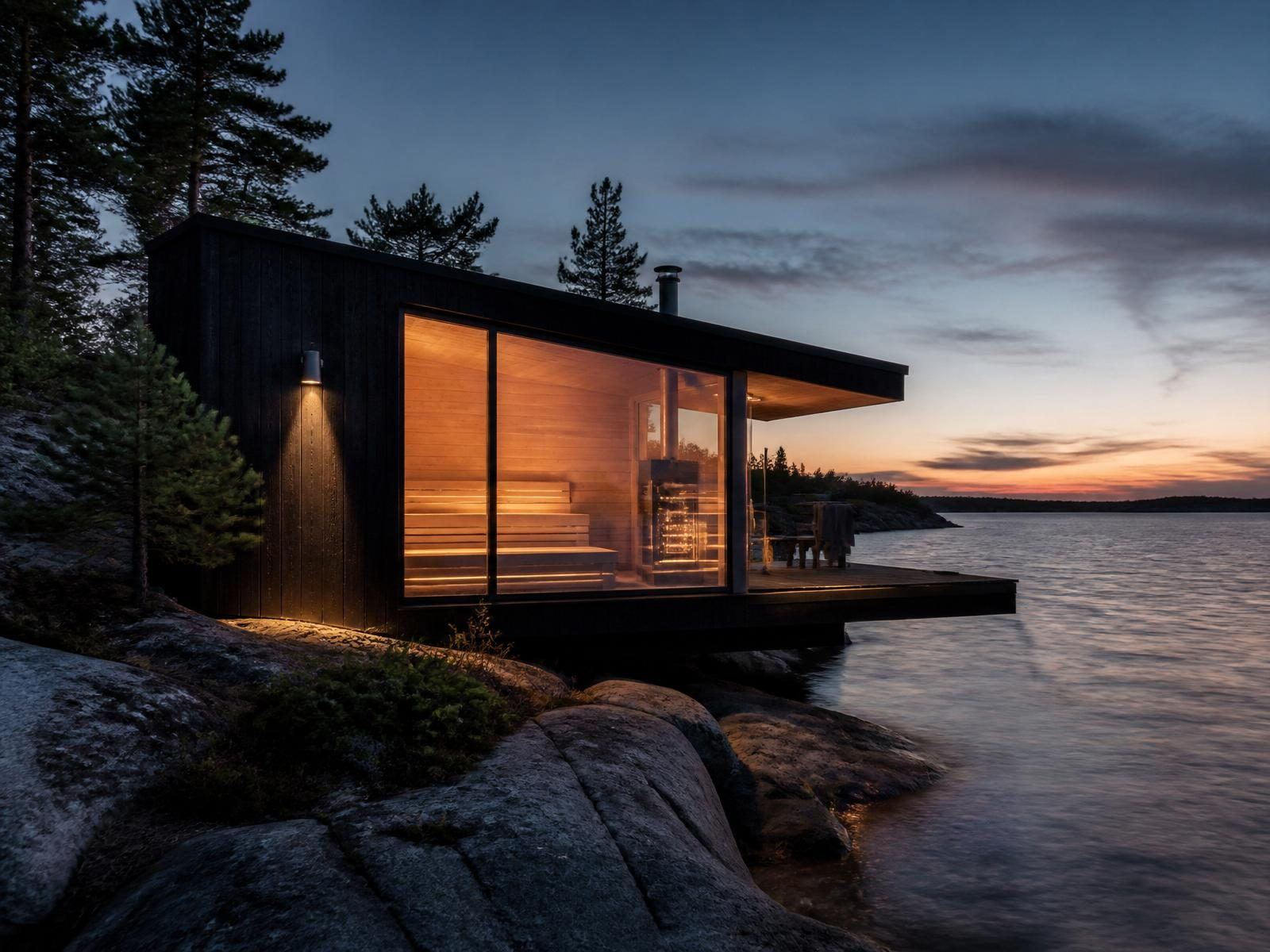
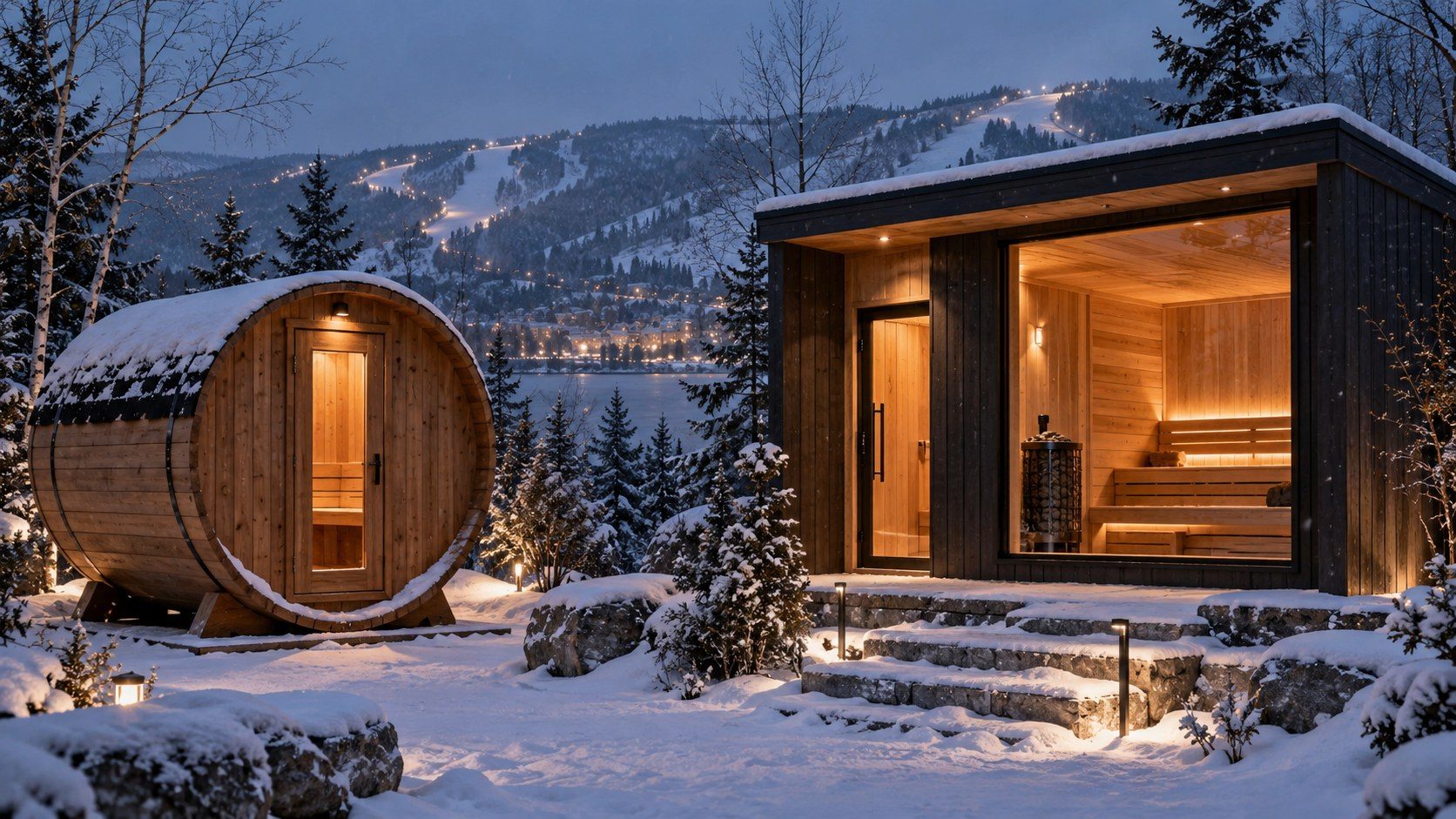
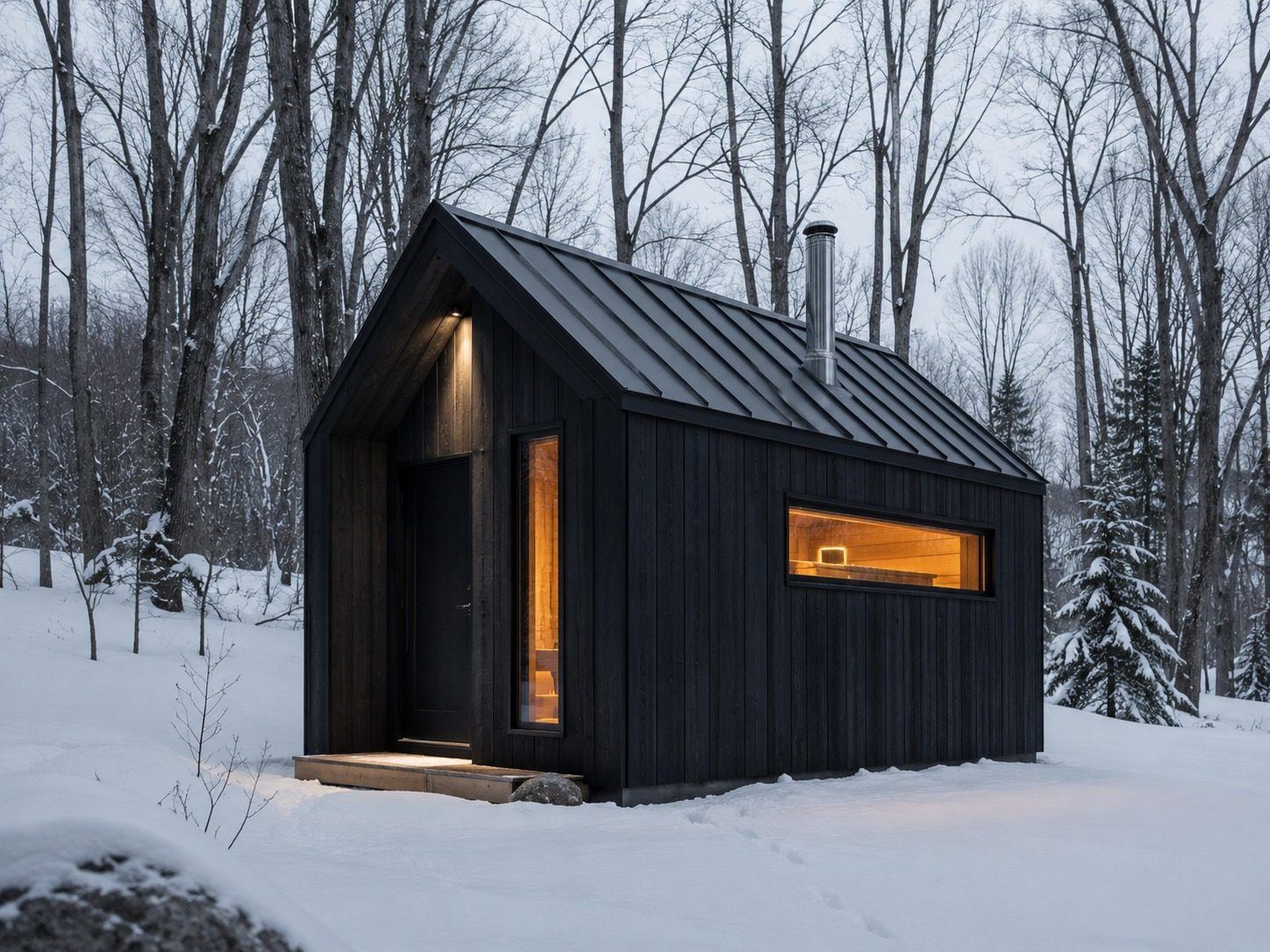
Nobody should build a health pavilion purely as a financial play - the best reasons to build one are measured in ski seasons and sleep quality, not dollars. But for homeowners in the Georgian Bay, Collingwood, and Beaver Valley markets, it would be naïve to ignore the other side of the ledger. Wellness infrastructure has become one of the defining features of the premium property conversation, and this region is precisely where that conversation is loudest.
The buyer has changed
Think about who purchases a significant property in this area today. They are, overwhelmingly, people buying a lifestyle: proximity to the ski clubs, the trail networks, the bay, the golf. They are health-literate, often athletic, and frequently arriving from cities where they belonged to premium fitness and recovery facilities. When they tour a property, they're mentally mapping their routine onto it - where they'll train, where they'll recover, where the après will happen.
A home with a finished pavilion answers those questions before they're asked. A home without one leaves the buyer pricing a future construction project into their offer. In real estate terms, wellness amenities have been migrating steadily from "nice surprise" to "expected at this level" - the same journey the home gym, the mudroom, and the outdoor kitchen made before them. Luxury market observers have tracked wellness features among the fastest-growing priorities for high-end buyers over the past several years, and there's little sign of the trend reversing.
Why this market specifically
Amenities add the most value when they match the local lifestyle, and it's hard to imagine a tighter match than a recovery pavilion in a four-season sports community. A wine cave adds cachet anywhere; a sauna, plunge, and studio add utility here, in a place where the buyer will genuinely use them fifty weeks a year. Features that are self-evidently useful to the target buyer are the ones that hold value.
There's also a scarcity dynamic. Purpose-built pavilions remain rare in the regional inventory. In a market where many premium homes share similar specifications - the great room, the bunk room, the three-car garage - a beautifully executed wellness building is genuine differentiation, the feature a listing gets remembered by.
Quality is the entire question
A caution, and it's an important one: this logic only applies to work done properly. A sauna is a high-heat, high-moisture environment attached to your home or sitting on your land; ventilation, vapour management, drainage, electrical, and material choices are all places where shortcuts become liabilities. A poorly built wellness space is worse than none at all - buyers discount it, inspectors flag it, and owners stop using it. The pavilions that add lasting value are the ones built with the same rigour as the main residence: proper engineering, honest materials, and design that will still look intentional in twenty years.
The return you can't appraise
The financial case is real, but it's still the lesser one. The daily-use math is more persuasive: an amenity used five times a week for a decade costs almost nothing per use and pays out in the currency this community actually values - more good years on the hill, on the bike, on the water. If the market happens to reward that choice when you eventually sell, consider it a dividend on a decision you'd have made anyway.
Build it because you'll use it. The value follows the use.
This post is general perspective, not financial or appraisal advice - every property and market moment is different. What we can speak to is the build side: what quality looks like and what it costs to do right.