What Makes a Blue Mountains Sauna Worth Using Every Day
Most people who build a sauna around here are chasing a specific memory.
They had a session at the spa up the road. Hot room, cold water, twenty minutes afterward sitting outside doing nothing. They drove home loose and warm and slept like they hadn't in months. And somewhere on that drive they thought: I want this at my own place.
Then they build one. Six months later it gets used maybe once a month, if that.
People usually blame themselves. Busy winter, out of the habit. It's almost never that.
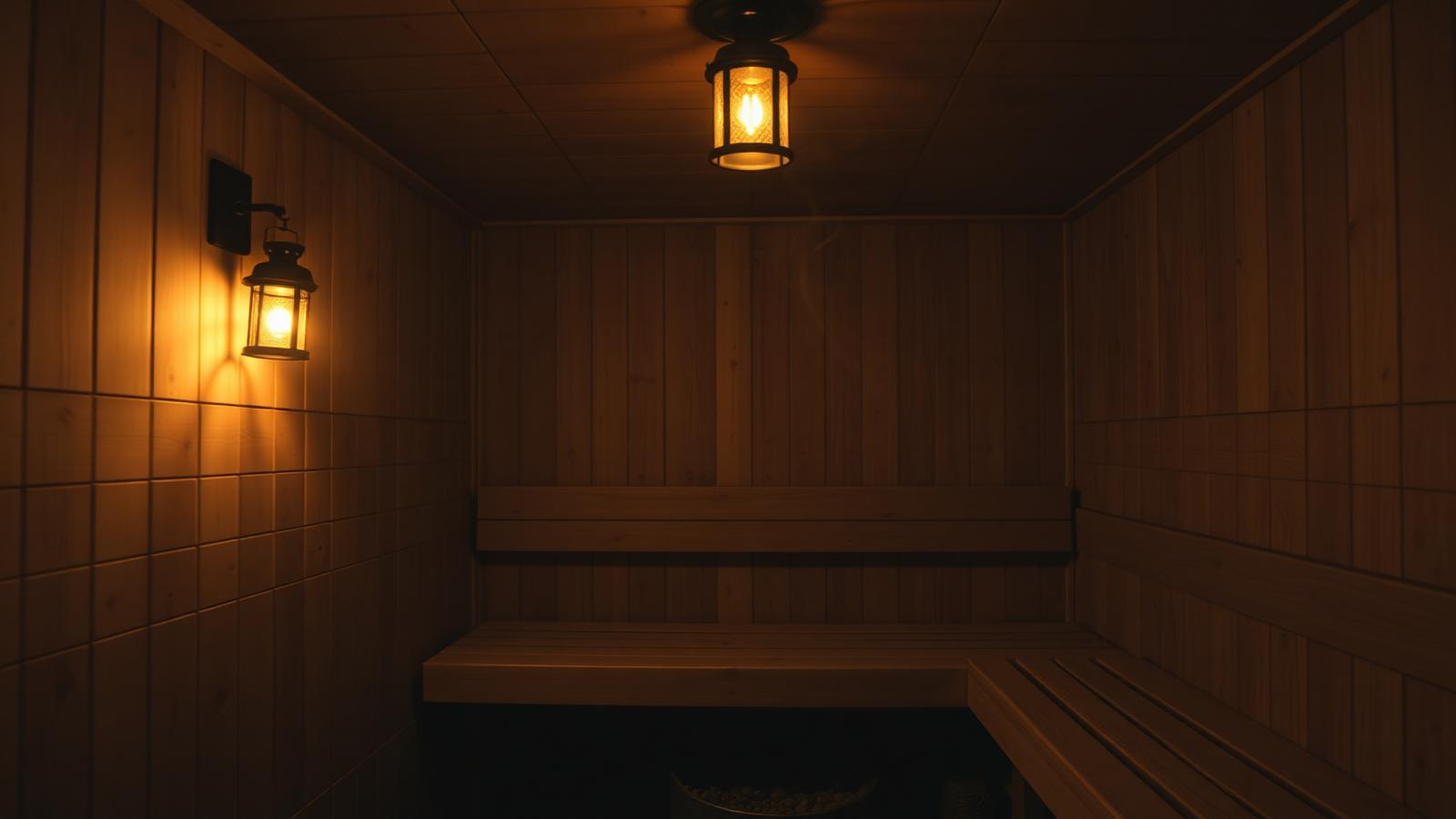
The room is uncomfortable, and they haven't worked out why.
The room is the whole thing
A sauna is not a hot box. It's a piece of geometry that has been refined in Finland and Scandinavia for a very long time, and almost every part of that geometry is doing a job.
Most of what gets sold in North America has quietly abandoned it, usually to hit a price, ship flat, or look good in a photograph. The result heats up fine and reads as a sauna. It just isn't pleasant to sit in for twenty-five minutes, which is the only thing that actually matters.
Four things get lost most often.
The ceiling is too high. A traditional ceiling sits low over the top bench, close enough that steam still has life in it when it reaches you. Build to residential height and the heat stratifies above your head, so you sit in the cool part of your own sauna with hot air on your scalp and cold air at your feet.
The benches are wrong. The upper bench needs depth to sit back against the wall with your feet up, or to lie down. Cramp it and you perch on the edge with your legs hanging, which is what people are really feeling when they say they can't sit still for long.
There's no real löyly. Steam is the point, not a hiss and a puff but a wave of heat that crosses the room and settles on you. That takes real stone mass, a heater sized to the room, and a ceiling close enough to carry it.
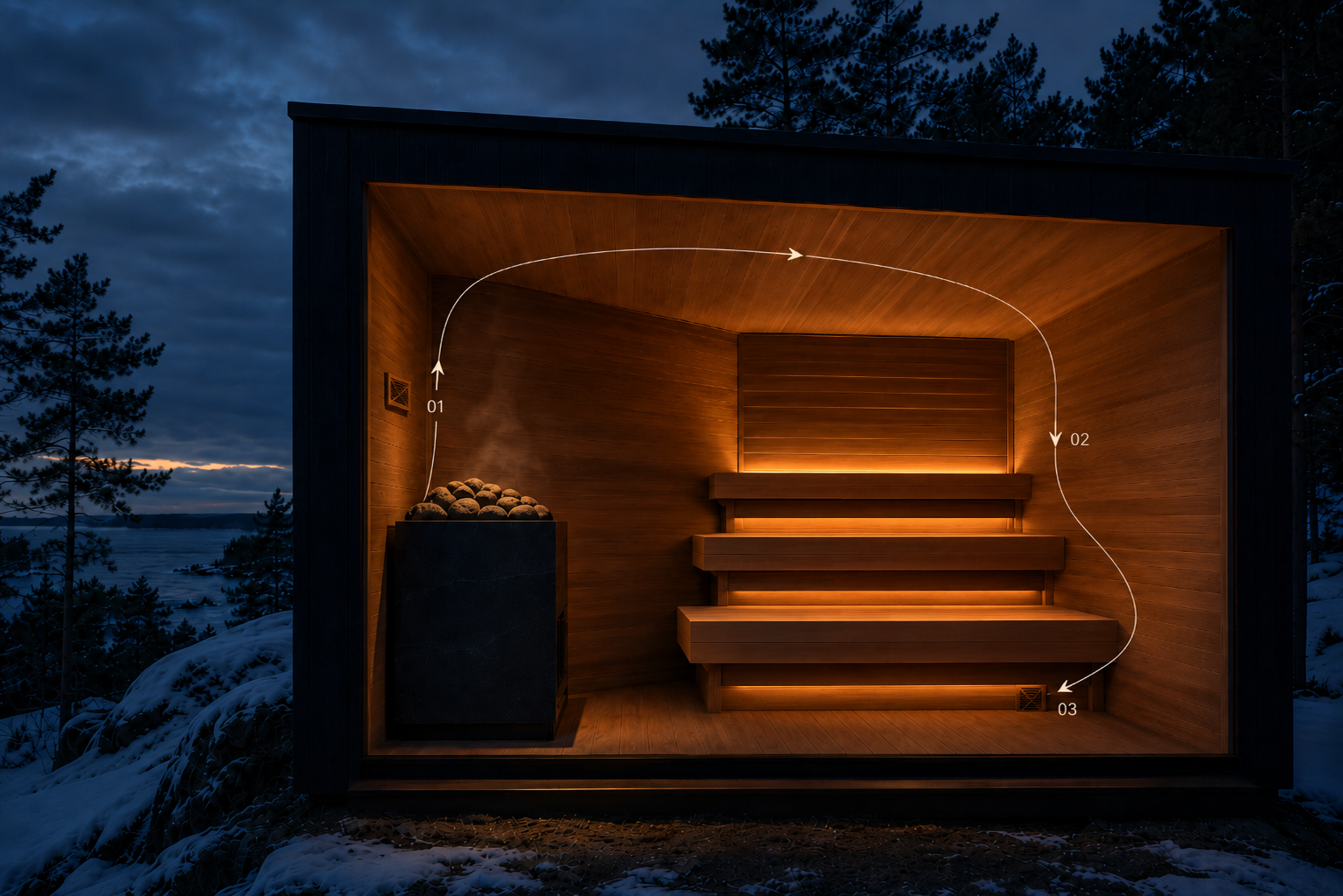
The air is dead. Proper ventilation moves air continuously, in low near the heater and out high on the far side. Get it right and twenty-five minutes is comfortable; get it wrong and the room is stifling in eight, whatever the thermometer says.
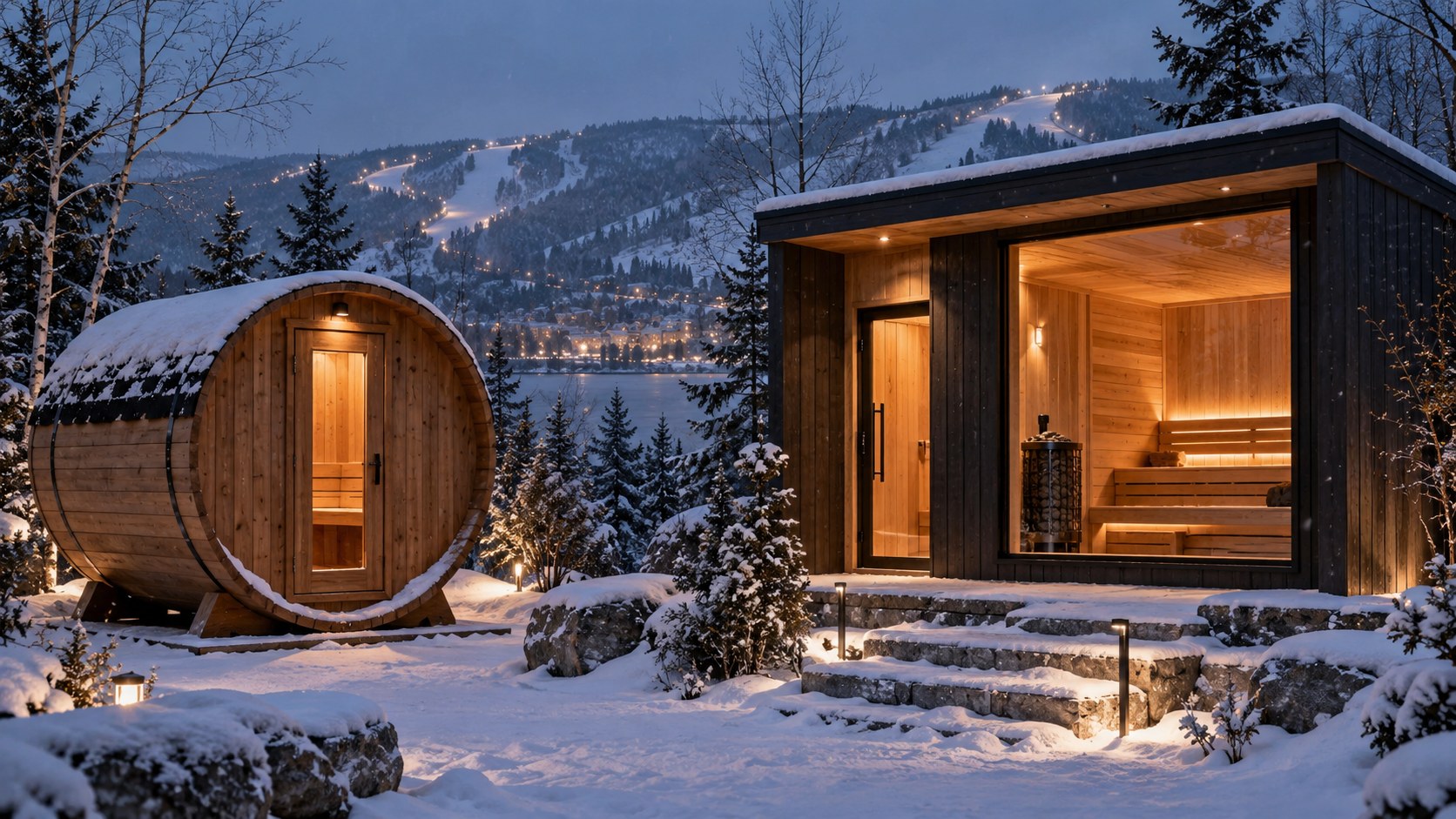
Then there are the shapes. A barrel is a shipping decision, not a design one. The curved wall means you can't sit upright against it, and the ceiling above the bench is either too low at the ends or the wrong shape entirely for holding steam. A wall of glass looks superb in a listing photo and bleeds heat exactly where you're trying to hold it.
None of this announces itself. Nobody walks out saying the ceiling height was wrong. They say it wasn't as nice as the spa. Then they go less. Then less again.
Everything else compounds it
Get the room right and the rest is straightforward. Get it wrong and these finish the job.
The cold is too far away. Heat isn't what makes the spa work, contrast is. Yet the sauna goes at the bottom of the yard and the cold shower stays in the house. Forty metres, wet, in February. You'll do it twice, then start skipping the cold. And a sauna without cold is an expensive hot room. The cold source needs to be within a few steps: a plunge, an outdoor shower, or a patch of clean snow you can stand in, which works perfectly for four months a year and costs nothing.
The walk is a July walk. People site the sauna in sandals and pick the spot with the view. Then February arrives and the route is unlit, unshovelled, and 80 metres from the mudroom in a housecoat at minus fifteen. Site for the worst night of the year. Every extra metre is a reason not to go tonight.
There's nowhere to sit afterward. Watch how people actually use a spa. The hot room is a third of the time. Cold is two minutes. The rest is sitting somewhere wrapped up, doing nothing, and that phase is when the whole thing stops being a hot room and becomes an hour of your life. Most home builds have nowhere to do it, so you cycle twice and go straight back to the kitchen and the phone. A covered bench is enough. But it has to be designed in, because it never gets added later.
The pattern
Every one of these is the same mistake: buying a product instead of designing a sequence.
The spa works because someone thought hard about ceiling height, bench depth, steam, air, and the distance to cold water, so that none of it is your problem. You just follow the path of least resistance and it happens to be the right one.
That's the thing worth reproducing at home. Not the building. The sequence, with a room at the centre of it that you actually want to sit in.
Get it right and you'll use it four nights a week without deciding to. Get it wrong and you'll have a very nice shed.
We design and build custom saunas, cold plunges and health pavilions across Collingwood, Blue Mountain, the Beaver Valley and Southern Georgian Bay. If you're weighing up a build, we're happy to walk the property with you first.